Explore the Rich Culinary Heritage of Traditional Dishes in San Miguel de Allende
Discover the Historical Roots of Famous Traditional Dishes

The culinary landscape of San Miguel de Allende is a vibrant tapestry woven from a multitude of cultural influences and enduring traditions. The origins of these traditional dishes can be traced back centuries, beginning with the indigenous peoples who originally inhabited the region, followed by the profound impact of Spanish colonization. This fascinating combination of local ingredients and international flavors has forged a distinctive gastronomic identity that captivates both locals and visitors alike. Key historical influences that have shaped this cuisine include:
- Indigenous culinary practices, which skillfully utilized native flora and fauna.
- Spanish colonization, introducing new ingredients such as wheat and dairy into local recipes.
- Trade routes that brought in a variety of spices and cooking techniques from different cultures.
- The harmonious fusion of European and Mesoamerican cooking methods.
These historical influences create a rich narrative that extends beyond the food itself, speaking volumes about the people and their cultural stories. The amalgamation of diverse cultures has nurtured a colorful array of flavors, resulting in iconic dishes that are deeply rooted in the region's rich history and culinary traditions.
How Have Recipes Evolved Over Time in San Miguel de Allende?
Through the passage of time, the recipes originating from San Miguel de Allende have undergone remarkable transformations, reflecting societal changes and shifts in culinary trends. While the essence of traditional cooking remains central to these recipes, modern adaptations often introduce surprising new elements. As cherished recipes are passed down through generations, families frequently infuse personal touches that rejuvenate beloved classics, making each version unique and special to them.
For example, iconic dishes such as mole have evolved to include contemporary ingredients while maintaining their historical significance. This evolution encompasses not only ingredient changes but also adaptations in cooking techniques and presentation that cater to modern tastes and lifestyles, further enriching the culinary experience.
The vibrant local community plays a vital role in this culinary evolution, sharing recipes and techniques during family gatherings and community events, thus ensuring that the spirit of traditional cooking remains alive while encouraging creativity to flourish.
Why Is Food Central to the Culture of San Miguel de Allende?
In San Miguel de Allende, food transcends mere sustenance; it serves as a vital thread of cultural heritage that unites the community. Meals frequently act as focal points for celebrations, family reunions, and various rituals, reinforcing connections across generations. Traditional dishes allow individuals to connect with their ancestry, affirming their cultural identity and ensuring the continuity of culinary practices through time.
Each dish tells a story, whether it involves preparing tamales for festive occasions or sharing pozole during significant events. These culinary traditions highlight food's role in marking important life milestones, such as weddings and birthdays, transforming culinary practices into a living testament to cultural values and community identity.
Acknowledging the cultural significance of these dishes fosters a deeper appreciation for the culinary arts, recognizing them not just as skills but as essential means of preserving history and cultural identity within the community.
What Measures Are Taken to Preserve Culinary Traditions in San Miguel de Allende?
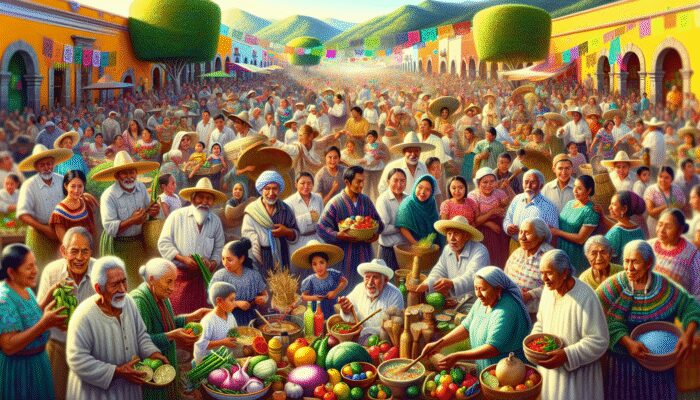
Efforts to preserve the culinary traditions of San Miguel de Allende are crucial for maintaining the rich tapestry of its gastronomy. Local organizations and community members are actively involved in protecting traditional cooking methods, ensuring that these practices are handed down through generations.
Initiatives such as cooking schools play a pivotal role in educating younger generations about the significance of traditional techniques. These classes often provide hands-on experiences that help students connect with their culinary heritage. Furthermore, festivals celebrating local cuisine unite the community, fostering a strong sense of pride in their culinary history.
By participating in these initiatives, individuals contribute to preserving their culinary identity, ensuring that cherished dishes retain their authenticity while evolving to meet contemporary tastes. This commitment to tradition nurtures a vibrant culinary scene that honors its past while aspiring to a hopeful future.
Key Ingredients Defining San Miguel de Allende’s Traditional Dishes
Uncover the Essential Spices and Herbs of the Region
In the colorful culinary landscape of San Miguel de Allende, spices and herbs are foundational, infusing traditional dishes with richness and character. The use of local herbs and spices not only enhances flavors but also reflects the agricultural abundance of the region. Some of the most commonly used spices include:
- Cilantro: Provides a fresh brightness to salsas and soups, elevating their overall flavor profile.
- Cumin: Contributes a warm, earthy essence, often found in robust moles.
- Oregano: Essential for seasoning meats and enhancing the depth of stews.
- Chili peppers: Offer varying levels of heat and complexity, enriching a broad spectrum of dishes.
These spices are integral to the cooking process, frequently defining the signature taste of a dish and connecting it to the region's cultural heritage. The selection of spices and herbs empowers each chef to express their creativity while remaining grounded in culinary tradition.
What Are the Core Ingredients in Traditional Cuisine of San Miguel de Allende?
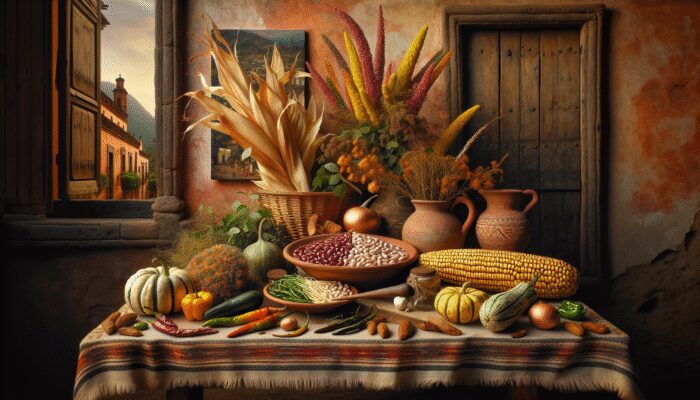
Certain ingredients serve as the backbone of San Miguel de Allende‘s traditional dishes, encapsulating the essence of local cuisine. These staples are widely available and deeply ingrained in the local culture. Key staple ingredients consist of:
- Corn: The fundamental component of many traditional dishes, including tortillas and tamales.
- beans: A primary protein source that complements a diverse range of meals.
- Chiles: Essential for flavoring dishes and imparting necessary heat.
- Squash: Commonly featured in stews and side dishes.
These ingredients are celebrated for their versatility and ability to reflect the agrarian traditions of the region. They also foster a sense of community, as families frequently gather to prepare meals centered around these essential components, creating lasting memories and strengthening bonds.
How Do Seasonal Changes Impact Culinary Offerings?
The availability of specific ingredients varies with the seasons, significantly influencing the dishes prepared in San Miguel de Allende. Seasonal variations not only affect flavor but also the nutritional value of meals. For example, summer heralds an abundance of fresh produce, such as tomatoes and peppers, leading to vibrant salsas and salads, while autumn often highlights heartier ingredients like squash and root vegetables.
Local markets thrive on these seasonal changes, offering fresh, locally sourced ingredients that inspire both home cooks and professional chefs alike. This connection to the seasons nurtures a dynamic culinary landscape, where creativity flourishes as the community adapts its recipes to incorporate what is fresh and available.
Understanding seasonal variations promotes a more sustainable approach to cooking, honoring the natural rhythms of the environment and supporting local agriculture, ultimately benefiting both the community and the planet.
Insights from Experts on Crafting Traditional Dishes from San Miguel de Allende
Learn from Culinary Masters in the Region
Renowned chefs in San Miguel de Allende stand as guardians of traditional techniques that elevate the preparation of these dishes to an art form. Their expertise encompasses time-honored methods that have been passed down through generations, such as the meticulous preparation of mole.
For instance, one master chef might emphasize the labor-intensive practice of toasting and grinding spices by hand, which significantly enhances the flavor of the final dish. Another might highlight the use of clay pots, known as olla de barro, which impart a unique taste to stews and soups. These techniques not only honor tradition but also provide diners with a sensory experience that makes each meal unforgettable.
Learning from these culinary experts offers invaluable insights into the intricacies of traditional cooking, allowing others to appreciate the skill and passion that go into creating these beloved dishes. Their unwavering dedication to preserving these techniques lends credibility to the culinary scene, establishing San Miguel de Allende as a prominent center of gastronomic excellence.
What Strategies Are Effective for Preserving Traditional Cooking Techniques?
Maintaining traditional cooking methods requires deliberate efforts from both the culinary community and food enthusiasts. One effective strategy is to engage in local cooking classes that emphasize traditional techniques, allowing participants to immerse themselves in the rich culinary heritage of San Miguel de Allende.
Moreover, supporting local markets that prioritize fresh, organic ingredients ensures that traditional recipes can be executed with the highest quality components. Participating in community events, such as food festivals, also raises awareness about the importance of culinary traditions, fostering a shared responsibility to preserve them for future generations.
By sharing knowledge and experiences, communities can unite to maintain these culinary practices, ensuring that future generations continue to celebrate and savor the rich flavors of San Miguel de Allende.
How Are Innovations Shaping Traditional Cuisine?
While tradition holds a cherished place in the culinary landscape, innovations are vital for keeping the cuisine vibrant and relevant. Chefs are increasingly experimenting with new ingredients and techniques while respecting the essence of traditional dishes. For example, a chef might take the classic taco and create a gourmet version that incorporates unexpected flavors, such as a fusion with Asian spices.
These innovations can breathe new life into traditional recipes, attracting a wider audience and making the cuisine more accessible. However, successful innovation must be approached thoughtfully; it should enhance rather than overshadow the traditions that form the foundation of these cherished dishes.
Such a balance cultivates a dynamic culinary scene that respects the past while inviting creativity and progress, ensuring that San Miguel de Allende remains a vibrant hub of culinary exploration and innovation.
Essential Techniques for Preparing Traditional Dishes from San Miguel de Allende
Mastering Fundamental Cooking Techniques
Traditional cooking techniques in San Miguel de Allende are pivotal in shaping the flavors and textures of the dishes. Techniques such as slow cooking, roasting, and grilling are commonly employed, each contributing unique attributes to the final product. For instance, slow cooking allows flavors to meld beautifully, resulting in richly satisfying stews like cocido.
Using open flames and charcoal for grilling imparts a distinctive smokiness to meats and vegetables, enhancing their natural flavors. Additionally, frying techniques are often utilized to create crispy textures, as seen in the preparation of churros or carnitas.
Understanding these techniques not only enriches the cooking process but also provides insight into the cultural significance behind each dish. It invites both aspiring cooks and seasoned chefs to appreciate the artistry involved in traditional preparations, enhancing the overall culinary experience.
Why Are Patience and Time Crucial in Cooking?
Many traditional dishes from San Miguel de Allende require an investment of time and patience for optimal results. Slow cooking methods allow ingredients to gradually release their flavors, resulting in a more harmonious palate. For example, a pot of pozole may simmer for hours, allowing the hominy to soften and absorb the rich broth’s essence, creating a delightful and comforting dish.
This slow cooking process often evolves into a cherished ritual, bringing family members together to share stories while tending to the meal. The result is not merely food but a celebration of togetherness that significantly enhances the dining experience.
The emphasis on time in cooking serves as a reminder that great flavor often cannot be rushed. It underscores the value of patience, care, and the joy of crafting a meal with love and dedication, creating unforgettable culinary experiences.
How Are Presentation and Serving Styles Important in Dining?
Presentation is crucial in the culinary traditions of San Miguel de Allende, where the visual appeal of a dish can significantly elevate the overall dining experience. Traditional serving styles often emphasize communal sharing, with large platters of food placed at the center of the table, inviting diners to partake in a feast together.
Dishes like tacos may be presented with a variety of toppings displayed, allowing guests to customize their meals based on personal preferences. Meanwhile, desserts such as flan are often elegantly presented, garnished with fresh fruits and syrup to entice both the eye and the palate.
The way food is presented reflects cultural values and enhances the communal aspect of dining, reinforcing bonds between family and friends. This attention to detail creates a memorable dining experience that lingers long after the last bite is savored.
What Are the Sources of Ingredients in Traditional Dishes?
Local ingredients play a vital role in preparing traditional dishes from San Miguel de Allende. The region’s agriculture yields a wealth of fresh produce, meats, and herbs that contribute to the authenticity of the cuisine. Farmers’ markets are essential in connecting cooks with these crucial ingredients, ensuring that meals are prepared with the freshest components available.
Key ingredients often include locally sourced corn, beans, and a variety of seasonal vegetables. This reliance on local sourcing promotes sustainability while fostering a deep bond between the community and its land, reinforcing the importance of supporting local farmers and preserving regional agricultural practices.
Understanding the origins of these ingredients enriches the cooking experience, reminding cooks of the significance of supporting local farmers and preserving regional agricultural practices. It encourages a sense of responsibility towards the environment and the community, enhancing the overall appreciation for traditional cooking and its cultural significance.
What Cultural Significance Do Dishes Hold in San Miguel de Allende?
Dishes in San Miguel de Allende are much more than mere food; they serve as cultural symbols that reflect the history, traditions, and values of the community. Each dish carries with it stories of ancestry and heritage, acting as a bridge between past and present. For instance, tamales are often crafted for special occasions and celebrations, symbolizing unity and familial ties.
As such, these culinary creations play a vital role in rituals and festivities, reinforcing a sense of belonging and cultural continuity. The preparation of traditional dishes frequently involves communal participation, fostering bonds and traditions that span generations, making the culinary experience all the more profound.
Recognizing the cultural significance of these dishes enriches the dining experience, highlighting the stories and meanings behind each bite. It transforms the act of eating into a celebration of identity, history, and community, ensuring that these traditions are cherished and passed on.
What Are the Most Celebrated Traditional Dishes in San Miguel de Allende?
Indulge in Iconic Main Courses
The main courses of San Miguel de Allende showcase the region’s culinary diversity and creativity. One of the most iconic dishes is mole, a complex sauce crafted from a harmonious blend of chiles, spices, and often chocolate, served over meats. Its rich flavors narrate stories of tradition and artistry, with each family often claiming its unique recipe, passed down through generations.
Another cherished main course is carnitas, succulent pork slowly cooked until it reaches perfect tenderness, then crisped to a golden finish, typically served with fresh corn tortillas and a variety of vibrant salsas. The combination of textures and flavors in these dishes epitomizes the heart and soul of local cuisine, creating delightful culinary experiences.
Key ingredients in these iconic dishes often include:
- Pork: Central to many dishes, especially in carnitas, offering rich flavor.
- Chiles: Critical for adding depth and complexity to mole and salsas.
- Chocolate: Imparts richness to traditional mole recipes, enhancing its complexity.
- Herbs: Elevate the freshness in both main courses and sides, enhancing the overall dish.
These iconic dishes are not only staples in local restaurants but also serve as a source of pride within the community, reflecting the rich culinary heritage of San Miguel de Allende and its cultural significance.
What Are the Most Cherished Desserts in the Region?
Desserts in San Miguel de Allende provide a sweet conclusion to any meal, often showcasing local ingredients and flavors. One of the most beloved desserts is flan, a creamy custard delicately topped with caramel sauce, offering a delightful balance of sweetness. Its rich, smooth texture makes it a favorite among locals and visitors alike, embodying the essence of traditional desserts.
Another popular treat is churros, deep-fried pastries coated in cinnamon sugar, frequently served with a side of rich chocolate sauce for dipping. This delightful combination of crispy and sweet satisfies cravings and is a cherished snack enjoyed at any time of day.
What makes these desserts particularly special is not solely their flavor but also the memories they evoke, often tied to family gatherings and celebrations that unite people. The use of locally sourced ingredients enhances their authenticity, ensuring that each bite offers a genuine taste of San Miguel de Allende.
Signature Drinks That Perfectly Accompany Traditional Cuisine
To complement the rich flavors of traditional dishes, San Miguel de Allende boasts a variety of signature drinks. One such beverage is aguas frescas, refreshing drinks made by blending fruit, water, and sugar, perfect for quenching thirst on a warm day. Flavors can range from revitalizing hibiscus to creamy horchata, each offering a unique taste of the region.
Additionally, pulque, a traditional alcoholic beverage crafted from fermented agave, holds cultural significance and is often enjoyed during celebrations. Its creamy texture and subtle sweetness make it a distinctive accompaniment to local cuisine, enhancing the overall dining experience.
These signature drinks not only elevate the culinary experience but also connect diners to the region’s agricultural heritage, showcasing the importance of local ingredients in beverage preparation and their role in the community.
What Health Benefits Are Associated with San Miguel de Allende’s Traditional Dishes?
Nutritional Value of Core Ingredients in Traditional Recipes
The ingredients utilized in traditional dishes from San Miguel de Allende are often nutrient-dense, contributing to a balanced diet that promotes overall well-being. For instance, corn serves as a staple that provides crucial carbohydrates and dietary fiber, essential for energy and digestive health. Beans, another cornerstone of local cuisine, are an excellent source of protein and essential minerals, making them a vital component of any meal.
Many of the vegetables used in these dishes, such as squash and tomatoes, are high in vitamins and antioxidants, further promoting health and vitality. The incorporation of fresh herbs and spices not only enhances flavor but also provides additional health benefits, ensuring that meals are both nutritious and delicious.
Emphasizing the nutritional value of these ingredients encourages a deeper appreciation for traditional cooking, illustrating how these dishes can form the basis of a healthy diet while celebrating the rich cultural heritage of San Miguel de Allende.
What Health Benefits Do Essential Spices Provide?
In addition to imparting robust flavor, the spices commonly used in San Miguel de Allende‘s traditional dishes offer numerous health benefits. For example, cumin may assist in digestion and has been linked to anti-inflammatory properties, promoting a healthy digestive system.
Chili peppers, while adding heat, are rich in vitamins A and C, contributing to enhanced immunity and metabolism. Oregano is recognized for its antioxidant properties, which can support overall well-being by combating oxidative stress.
These spices not only enrich the culinary experience but also promote health, emphasizing the importance of incorporating traditional flavors into a modern, health-conscious diet.
How Do Traditional Dishes Contribute to Balanced Meals and Diets?
Traditional dishes from San Miguel de Allende can significantly contribute to a balanced diet by combining protein, carbohydrates, and a variety of vegetables in a single meal. For instance, a meal featuring tacos filled with lean meats, fresh vegetables, and homemade salsas offers a well-rounded nutritional profile that satisfies hunger while providing essential nutrients.
Incorporating these dishes into daily diets encourages a focus on whole, natural ingredients, fostering healthier eating habits that align with contemporary nutritional understanding. A balanced approach to meals can promote overall health and well-being, making it easier to enjoy the rich flavors and cultural significance of this beloved culinary tradition.
Key health benefits include:
- High fiber content from beans and corn aids digestion, promoting gut health.
- Rich in vitamins and minerals from fresh produce, supporting immune function.
- Antioxidant properties from spices help combat inflammation and oxidative stress.
- Protein sources in traditional dishes support muscle health and overall vitality.
These benefits illustrate how traditional cuisine can support both health and cultural appreciation, solidifying its role as a vital part of the culinary landscape in San Miguel de Allende.
Where Can You Experience Authentic Traditional Dishes from San Miguel de Allende?
Explore Authentic Traditional Restaurants
For those eager to indulge in authentic San Miguel de Allende traditional dishes, a range of restaurants specializes in local cuisine. These establishments prioritize utilizing fresh, locally sourced ingredients and time-honored cooking techniques that highlight the region’s flavors.
When searching for traditional restaurants, look for key features such as:
- A focus on homemade salsas and sauces that celebrate local flavors.
- A menu that emphasizes seasonal ingredients, ensuring freshness and quality.
- Family recipes that honor local culinary traditions, passed down through generations.
- A warm, welcoming atmosphere that reflects the culture and hospitality of the community.
Such restaurants serve as cultural hubs, allowing diners to connect with the rich culinary heritage of San Miguel de Allende and experience the authentic flavors that define this vibrant region.
Participate in Culinary Festivals and Events
Culinary festivals in San Miguel de Allende actively celebrate traditional dishes, drawing both locals and visitors to partake in the festivities. These events typically showcase local chefs, food artisans, and vendors, highlighting the best of the region’s gastronomy and culinary artistry.
Events such as the Festival de la Cocina de México provide opportunities to sample a variety of traditional dishes while learning about their preparation and cultural significance. These festivals foster a sense of community and pride in local cuisine, allowing attendees to engage directly with the culinary traditions of San Miguel de Allende.
Participating in these events not only enriches the culinary experience but also supports local businesses and contributes to the preservation of cultural heritage, ensuring that these traditions continue to thrive.
Engage in Cooking Classes and Workshops
For those interested in a hands-on culinary experience, cooking classes and workshops in San Miguel de Allende offer an excellent opportunity to learn the art of traditional cooking. Many local chefs provide classes that encompass everything from basic techniques to more advanced culinary skills, making it accessible to all skill levels.
These classes often emphasize traditional recipes, allowing participants to immerse themselves in the local culture while developing new skills and a deeper understanding of culinary arts. Additionally, learners can explore local markets to source ingredients, providing a holistic view of the culinary process from farm to table.
Engaging in cooking classes fosters a connection to the cuisine while encouraging the preservation of culinary traditions for future generations. It’s an enriching experience that allows participants to take a piece of San Miguel de Allende home with them, along with cherished memories.
Frequently Asked Questions About the Culinary Scene in San Miguel de Allende
What Are the Most Famous Traditional Dishes in San Miguel de Allende?
Some of the most celebrated traditional dishes include mole, tamales, pozole, and carnitas, each offering unique flavors and cultural significance that reflect the region’s rich culinary heritage.
Where Can I Discover Authentic San Miguel de Allende Cuisine?
Authentic San Miguel de Allende cuisine can be found in local restaurants that focus on traditional recipes, often using seasonal ingredients and family recipes to create dishes that honor the area’s culinary traditions.
What Are the Key Ingredients in Traditional San Miguel de Allende Dishes?
Key ingredients include corn, beans, chiles, various meats, and seasonal vegetables, all contributing to the region’s rich culinary heritage and flavor profiles.
Are There Cooking Classes Available for Traditional Dishes?
Yes, many local chefs offer cooking classes that focus on traditional dishes, allowing participants to learn techniques and recipes hands-on, enhancing their culinary skills and cultural knowledge.
What Is Mole, and Why Is It Important?
Mole is a rich sauce made from chiles, spices, and sometimes chocolate, significant for its complex flavors and cultural importance in celebrations and special occasions, often served over meats.
How Do Seasonal Ingredients Impact the Cuisine?
Seasonal ingredients influence the dishes prepared, leading to variations in flavor and preparation that connect the cuisine to the natural environment and highlight the importance of local agriculture.
What Health Benefits Do Traditional Dishes Provide?
Traditional dishes often provide high nutritional value, including fiber from beans and corn, vitamins from fresh produce, and protein sources, promoting overall health and well-being.
What Role Do Spices Play in Traditional Cooking?
Spices not only enhance flavor but also offer health benefits, such as anti-inflammatory properties, contributing to the overall enjoyment and nutritional value of the dishes, making them integral to traditional cooking.
Are There Culinary Festivals in San Miguel de Allende?
Yes, culinary festivals celebrate traditional dishes and local chefs, providing opportunities to sample and learn about the region’s culinary traditions and engage with the community.
What Is the Importance of Communal Dining in San Miguel de Allende?
Communal dining fosters a sense of community and connection, emphasizing the cultural significance of sharing meals and preserving culinary traditions that bring people together and strengthen bonds.
The Article: Traditional Dishes of San Miguel de Allende: A Culinary Adventure appeared first on https://fallinginlovewithsanmiguel.com/
The Article San Miguel de Allende’s Traditional Dishes: A Culinary Journey Was Found On https://limitsofstrategy.com