Immerse Yourself in the Vibrant Cultural Values and Traditions of Belize
Uncover the Fundamental Principles That Define Belizean Society
Understanding the essential values that shape everyday life and social customs in Belize is vital for appreciating its complex cultural fabric. These foundational principles encompass community, respect, and harmony, which govern interpersonal relationships and influence community interactions. Belize is a dynamic melting pot of cultures, exhibiting a rich blend of ethnic backgrounds, including Mestizo, Creole, Garifuna, and Maya. This cultural diversity fosters a value system that prioritizes strong interpersonal bonds and communal support, where familial connections and respect for elders create a social atmosphere that emphasizes collective well-being over individual pursuits.
Additionally, the presence of strong communal bonds is evident in everyday life, often expressed through the celebration of achievements or the resolution of conflicts. In many towns and villages, community gatherings are organized to address local concerns, nurturing a sense of belonging and mutual assistance among residents. For anyone wishing to engage genuinely with the people of Belize, grasping these cultural values is crucial, as it lays the foundation for respectful and enriching interactions.
Discover the Integral Role of Family in Shaping Belizean Cultural Identity
The structure of family plays a significant role in influencing cultural identity and social organization throughout Belize. The concept of family frequently extends beyond immediate relatives, embracing a wider network of extended family members. This interconnectedness guarantees that traditions, responsibilities, and cultural practices are passed down through generations. Family gatherings serve not only as occasions for celebration but also as platforms for education and the sharing of cultural heritage.
In many Belizean communities, family hierarchies are vital in decision-making processes, with elders often consulted for their wisdom and insights. Traditional roles within households may dictate responsibilities, mirroring the cultural emphasis on respect and duty. Celebratory occasions, such as weddings and holidays, unite families, showcasing traditional attire and culinary practices that reinforce cultural continuity and identity.
Moreover, nurturing close-knit relationships fosters an environment where cultural values can thrive. These interactions are essential for the emotional and social development of younger generations, ensuring that cultural heritage remains vibrant and relevant within the community.
Examine the Impact of Religion on Daily Life in Belize
Religion plays a pivotal role in shaping cultural practices and community events throughout Belize. The major faiths include Roman Catholicism, various Protestant denominations, and the enduring influence of indigenous spiritual traditions. Religion is intricately woven into daily life, informing moral values and community interactions. Significant religious celebrations, such as Christmas and Easter, are celebrated with enthusiasm, featuring unique local customs that embody the essence of Belizean culture.
For many Belizeans, spirituality extends beyond formal religious observances and permeates daily routines, manifesting through practices like household prayers and active participation in community worship. This deep-rooted connection enhances a sense of community solidarity, as religious gatherings often transform into social events where individuals share not just their faith but their life stories. Recognizing this dimension of Belizean culture can greatly enrich interpersonal relationships, as acknowledging and respecting religious beliefs is fundamental to social engagement.
Ultimately, the influence of religion on cultural practices illustrates the significant role that faith plays in shaping values and community dynamics. As individuals navigate essential life milestones—such as births, marriages, or deaths—religious customs provide a framework that honors traditions and fosters connections among community members.
Investigate the Relationship Between Education and Cultural Values in Belize
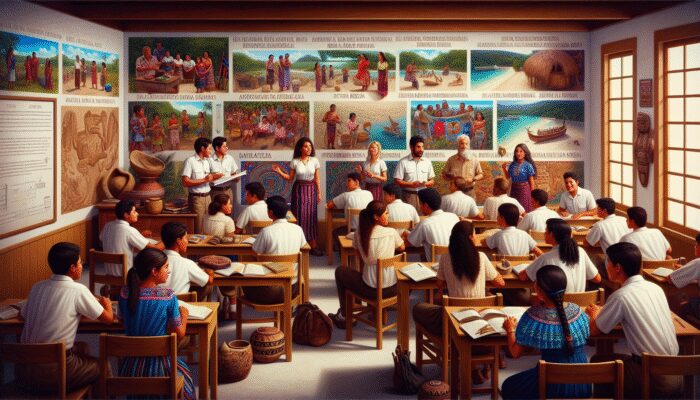
The educational system in Belize not only reflects but actively shapes cultural values, significantly impacting how future generations perceive and uphold societal norms and traditions. From primary to tertiary education, academic institutions prioritize educational attainment while instilling cultural pride and ethical values. Schools frequently incorporate local history and traditions into their curricula, nurturing a robust sense of identity among students.
Furthermore, education provides a platform for critical thinking and an awareness of global issues, empowering young individuals to navigate and appreciate diverse cultures. This comprehensive approach ensures that students, while learning about their heritage, also cultivate an understanding of the wider world, promoting inclusivity and respect for differences.
Teachers and community leaders are essential to this educational framework, conveying values that reflect Belizean culture. Various programs and community initiatives emphasize character education, reinforcing the importance of respect, honesty, and diligence.
As educational practices evolve, understanding the intersection between education and culture becomes crucial for nurturing a future generation that values both local heritage and global citizenship.
Appreciate the Traditional Arts and Cultural Expressions Unique to Belize
Traditional arts, encompassing music, dance, and crafts, serve as essential expressions of cultural identity and heritage in Belize. The distinct styles and forms of artistic expression often reflect the diverse backgrounds of the people, showcasing influences from African, Mayan, and Spanish traditions. For instance, the drumming and dance rituals of the Garifuna community illustrate an extraordinary blend of cultural influences, forming an integral part of their identity and communal gatherings.
Moreover, craftsmanship in Belize goes beyond mere artistic endeavor; it serves as a means of storytelling and history preservation. Artisans frequently use locally sourced materials to create pieces that embody both the beauty and narratives of their cultural heritage. Techniques such as weaving, pottery, and wood carving are transmitted through generations, ensuring that traditional skills and customs remain vibrant and alive.
The importance of art in culture cannot be overstated; it acts as a medium for cultural expression and preservation, allowing communities to celebrate their unique identities. Art festivals and exhibitions provide local artists with platforms to showcase their work, fostering community pride and reinforcing cultural connections.
In essence, traditional arts and crafts not only reflect individual creativity but also symbolize the collective history and values of Belizean society. They are vibrant forms of expression that contribute to a shared cultural experience, uniting individuals in the celebration of their unique heritage.
Gain Expert Insights into Belizean Culture and Its Diverse Peoples
Investigate the Historical Context and Cultural Evolution of Belize
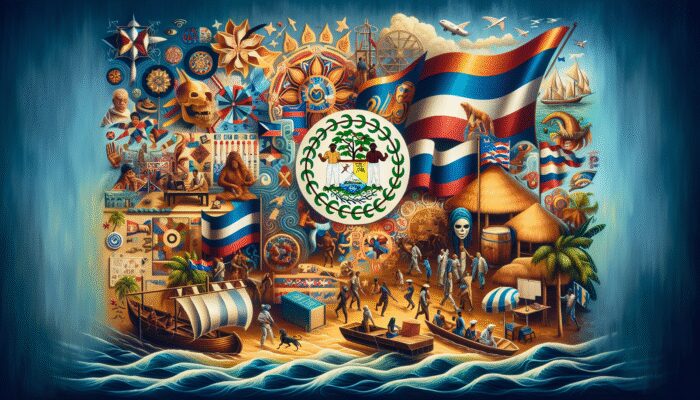
Historical events have profoundly shaped the current cultural practices and beliefs in Belize. The effects of colonialism, the quest for independence, and the integration of various ethnicities have led to a rich and evolving cultural landscape. For example, the emergence of Creole and Garifuna cultures exemplifies the dynamic nature of Belize’s heritage, where history intricately intertwines with contemporary identity.
Belize’s colonial past has left an enduring imprint on its societal structures and cultural expressions. Events such as British colonization and the subsequent struggle for independence have instilled a sense of resilience and pride among Belizeans. This historical context is vital for appreciating the complexities of identity and the ongoing dialogues surrounding culture and heritage.
Examine How Cultural Practices Adapt Over Time in Belize
Cultural practices in Belize are not static; they evolve in response to societal changes. Understanding this adaptation is key to appreciating the dynamic nature of culture. Several factors influence cultural adaptation, including:
- Globalization: Exposure to international cultures through media and travel.
- Technological Advancements: The integration of technology in daily life and communication.
- Migration: The movement of people leading to cultural exchange and fusion.
- Societal Changes: Shifts in values and norms due to socio-economic factors.
- Education: Increased awareness and appreciation for diverse cultures.
- Political Influences: Changes in governance and policies affecting cultural expression.
These factors illustrate how Belizean culture is influenced by both internal and external dynamics, leading to innovative expressions of tradition and modernity. As individuals and communities navigate these changes, they often find ways to honor their heritage while adopting new practices, enriching the overall cultural landscape.
Explore the Impacts of Cultural Exchange on Belizean Society
Cultural exchange can yield both enrichment and challenges within Belize’s society. Through interactions with diverse cultures, Belizeans broaden their perspectives, enhancing their appreciation for diversity. This exchange fosters creativity, innovation, and collaboration, as individuals draw inspiration from various customs and practices.
Conversely, cultural exchange can also present challenges, such as the risk of cultural dilution or the loss of traditional practices. It is vital for Belizeans to navigate these dynamics thoughtfully, striking a balance between embracing new ideas and preserving their rich cultural heritage. Understanding these impacts fosters a deeper appreciation of the complexities surrounding cultural dynamics and societal integration in Belize.
Experience the Vibrancy of Traditional Arts and Crafts in Belize
Discover the Techniques and Materials Utilized in Belizean Craftsmanship
Traditional arts and crafts in Belize are deeply rooted in cultural heritage, showcasing unique skills and local resources. Various techniques, including hand-weaving, pottery, and wood carving, reflect the artistic traditions passed down through generations. Artists frequently use materials sourced from their immediate environment, such as clay, wood, and natural fibers, enriching their creations while reinforcing their connection to the land.
For instance, the art of basket weaving, commonly practiced by the Maya, utilizes abundant palm fronds found in the region. This craft serves not only functional purposes but also represents intricate patterns and designs that embody cultural significance. Pottery, another traditional craft, often features symbols that reflect the history and beliefs of the artisans. The continued use of traditional techniques ensures that cultural narratives are preserved while also allowing room for personal expression.
This integration of local materials and techniques speaks to the sustainability of Belizean arts, as artisans adapt to maintain their relevance in a changing world. Their dedication to preserving traditional skills illustrates a strong commitment to cultural continuity and identity.
Understand the Significance of Art in Belizean Culture
Art serves as a profound medium for cultural expression and preservation in Belize, playing a crucial role in maintaining and celebrating cultural identity. It encompasses diverse forms, from visual arts to performing arts, each contributing to the rich cultural narrative of the nation. Through artistic expression, communities convey their histories, values, and aspirations, creating a collective memory that shapes their identity.
Moreover, art allows for the exploration of contemporary issues while remaining deeply rooted in tradition. For example, modern Belizean artists frequently blend traditional themes with contemporary techniques, sparking dialogue about cultural evolution and social change. This dynamic interplay between tradition and modernity ensures that Belize’s cultural heritage remains vibrant and relevant in today’s global context.
The significance of art extends beyond aesthetic appreciation; it functions as a vehicle for community engagement and dialogue. Art festivals and exhibitions provide opportunities for individuals to come together, fostering unity and celebrating shared identity. Through the lens of culture, art becomes a powerful tool for both individual expression and collective storytelling.
Analyze the Influence of Crafts on Community Identity in Belize
Crafts are not mere products; they symbolize community pride and identity in Belize. Each craft embodies shared history and values, reflecting the unique characteristics of the community from which it originates. For instance, traditional Mayan pottery is not only handcrafted but also tells stories of ancestral practices, while Garifuna musical instruments represent cultural resilience and continuity.
Crafts foster a sense of pride among artisans, as they play a crucial role in preserving cultural heritage. Local markets and festivals often showcase these crafts, providing artisans with opportunities to connect with their communities while promoting cultural awareness. This exchange contributes to a collective identity, reinforcing social bonds and celebrating the diversity of Belizean society.
The influence of crafts extends beyond aesthetics; they also serve as a means of economic empowerment for artisans, enabling them to sustain their livelihoods while preserving their cultural practices. This dual role of crafts as both a source of identity and economic viability underscores their significance in Belizean society.
Research-Based Advantages of Understanding the People of Belize: A Comprehensive Cultural Guide
Enhance Your Cross-Cultural Communication Skills for Meaningful Engagement
Improving cross-cultural communication is essential for fostering meaningful interactions in diverse environments. Actionable steps include actively listening to others, practicing empathy, and acknowledging cultural differences. By becoming aware of various communication styles, individuals can navigate cultural nuances and foster deeper connections with Belizeans.
Moreover, engaging in cultural exchanges, such as attending local events or participating in community activities, can enhance your understanding and respect for different customs. This proactive approach ensures that communication transcends mere word exchange, facilitating the sharing of experiences and values that enrich interpersonal relationships.
What Are the Benefits of Cultural Awareness in Belize?
Cultural awareness fosters empathy and understanding, which are pivotal for nurturing better personal and professional relationships. By being cognizant of cultural differences, individuals can navigate interactions with greater sensitivity, reducing misunderstandings and conflicts. This awareness enhances collaboration in multicultural environments, leading to more productive relationships in both social and business contexts.
Furthermore, cultural awareness encourages appreciation for diversity, promoting an inclusive atmosphere where individuals feel valued. This sense of belonging boosts morale and positively contributes to community dynamics, resulting in enriched social interactions that strengthen societal ties.
Promoting Cultural Preservation Through Engagement with Local Traditions
Understanding cultural nuances is vital for promoting cultural preservation in Belize. By valuing and respecting local traditions, individuals contribute to the sustainability of cultural practices that are at risk of fading. Engaging with local communities and supporting traditional arts and crafts nurtures the environment in which these cultural expressions thrive.
Moreover, education plays a critical role in cultural preservation. By integrating local history and traditions into educational curricula, future generations can appreciate their heritage and become advocates for its continuation. This proactive approach ensures that cultural practices are not only celebrated but also actively preserved for years to come.
Enhancing Tourism Experiences Through Cultural Insight
Understanding the culture of Belize enhances tourists' experiences, promoting respect and appreciation for local customs and traditions. Tourists who actively engage with local communities and participate in cultural events develop deeper connections to the places they visit. This engagement enriches their travel experiences beyond mere sightseeing, allowing them to immerse themselves in the daily lives of Belizeans.
Additionally, businesses in the tourism sector can benefit from this cultural understanding by offering authentic experiences that reflect local values and traditions. Such initiatives foster responsible tourism, ensuring that visitors contribute positively to the communities they engage with while preserving the rich cultural heritage of Belize.
Celebrate the Richness of Festivals and Cultural Celebrations in Belize
Discover Major Cultural Events and Their Importance
Festivals and celebrations are pivotal expressions of culture within Belize, marking significant historical or seasonal events through unique customs and traditions. Events such as Garifuna Settlement Day and the Belize Carnival exemplify the vibrancy of Belizean culture, highlighting the importance of community participation and cultural pride.
For instance, Garifuna Settlement Day, celebrated on November 19th, commemorates the arrival of the Garifuna people in Belize. This event not only celebrates their rich heritage but also promotes awareness of their contributions to Belizean culture. Traditional dancing, music, and culinary offerings are integral to the festivities, reinforcing cultural identity and community cohesion.
These celebrations serve as platforms for cultural exchange, where diverse groups unite to honor shared histories while showcasing their unique traditions. Understanding these events is crucial for appreciating the richness of Belizean culture and the values they represent.
How Do Celebrations Reflect Core Cultural Values in Belize?
Celebrations in Belize reflect the cherished cultural values within society, showcasing what is prioritized among its people. Events often emphasize community, family, and tradition, illustrating the importance of collective experiences and support. This communal aspect is especially evident during major holidays and festivals, where widespread participation reinforces social bonds among residents.
For example, during Christmas, Belizeans engage in various traditions that highlight family togetherness and generosity. Festive meals, communal gatherings, and acts of kindness are emblematic of the values that underpin Belizean culture. Such celebrations foster unity and a sense of belonging, allowing individuals to connect with their heritage and one another.
Ultimately, these cultural expressions serve as reminders of the values that shape Belizean identity, encouraging individuals to uphold and celebrate their traditions while fostering a sense of pride within the community.
Encouraging Active Community Participation in Cultural Festivities
Festivities in Belize often engage the entire community, fostering a sense of unity and shared cultural identity. Community participation can take various forms, including:
- Organizing local events and parades to celebrate cultural heritage.
- Volunteering for community service projects during festive seasons.
- Participating in traditional performances and artistic displays.
- Contributing to the preparation of communal meals, showcasing local cuisine.
- Engaging in storytelling sessions that share local legends and history.
- Creating community decorations that reflect cultural symbols and values.
- Encouraging local businesses to promote cultural products and services.
- Involving younger generations in planning and executing events.
Through these activities, communities reinforce their cultural identity while fostering connections among residents. This involvement not only enriches the festive experience but also strengthens the social fabric, ensuring that cultural traditions are actively preserved and celebrated.
Language and Communication Practices in Belize
Understanding the Languages and Dialects Commonly Spoken in Belize
Language is a key component of cultural identity in Belize, with a rich tapestry of languages and dialects in use. The official language is English, but many Belizeans also communicate in Spanish, Creole, Garifuna, and various Mayan languages. This linguistic diversity reflects the country’s multicultural heritage and the blending of various ethnic identities.
The prevalence of different dialects often highlights regional and social nuances, contributing to a deeper understanding of Belizean culture. For example, Creole English, while rooted in English, incorporates elements of African languages and local vernacular, showcasing the unique identity of the Creole community. Understanding these linguistic dimensions is essential for engaging effectively with Belizean culture and fostering meaningful interactions.
What Role Does Language Play in Shaping Belizean Culture?
Language transcends being a mere communication tool; it serves as a vessel for cultural values and history in Belize. Through language, individuals convey their identities, traditions, and worldviews, shaping and reflecting cultural narratives. The nuances of language provide insights into community norms, beliefs, and social structures, making it a vital aspect of cultural expression.
Moreover, storytelling and oral traditions are integral to Belizean culture, often transmitted through language. Folktales, proverbs, and songs encapsulate life lessons and cultural values, ensuring that wisdom is passed down through generations. This oral heritage fosters a sense of belonging, connecting individuals to their roots while reinforcing community identity.
Understanding the role of language in culture enables individuals to appreciate the depth and richness of Belizean heritage, fostering connections that transcend mere communication.
Recognizing the Importance of Non-Verbal Communication in Belizean Interactions
Non-verbal cues play a crucial role in understanding cultural communication in Belize, often conveying messages that words alone cannot express. Body language, gestures, and facial expressions enrich social interactions, adding layers of meaning to communication. For instance, eye contact can signify respect and attentiveness, while a warm smile often indicates friendliness and openness.
Additionally, the use of space and physical proximity in conversations can vary among cultural groups in Belize. Understanding these non-verbal cues is essential for navigating social interactions, as they can indicate comfort levels and relational dynamics. Being attuned to these signals allows individuals to engage more effectively, fostering deeper connections and mutual respect among community members.
In essence, non-verbal communication enhances the richness of cultural exchange, enabling a more profound understanding of Belizean customs and social etiquette.
Frequently Asked Questions About Belizean Culture
What are the main cultural values upheld in Belize?
The main cultural values in Belize include community, respect for elders, strong family ties, and a deep connection to heritage. These values are reflected in social interactions and community dynamics, guiding behavior and relationships among individuals.
How does family shape cultural identity in Belize?
Family plays a crucial role in shaping cultural identity by fostering strong connections, passing down traditions, and reinforcing social structures that influence daily life and interactions within communities.
What role does religion play in the cultural landscape of Belize?
Religion significantly influences cultural practices, community events, and moral values, often shaping daily routines and guiding major life milestones within Belizean society.
How does education impact cultural values in Belize?
Education impacts cultural values by incorporating local history and traditions into curricula, fostering an appreciation for heritage while promoting critical thinking and awareness of global issues.
What traditional arts are prevalent in Belize?
Prominent traditional arts in Belize include music, dance, crafts such as pottery and weaving, and visual arts that reflect the country’s diverse cultural heritage and artistic expression.
How do festivals reflect the cultural values of Belize?
Festivals reflect Belizean cultural values by emphasizing community, family connections, and the celebration of heritage through shared traditions and communal participation in various events.
What are the advantages of cultural awareness?
Cultural awareness fosters empathy, understanding, and respect for diversity, enhancing personal and professional relationships while promoting inclusivity and harmony in society.
How can tourists enhance their experience in Belize?
Tourists can enhance their experience in Belize by engaging with local communities, participating in cultural events, and respecting local customs to foster meaningful connections and enrich their travel experiences.
What are the common languages spoken in Belize?
The common languages spoken in Belize include English, Spanish, Creole, Garifuna, and various Mayan languages, reflecting the country’s multicultural heritage and linguistic diversity.
Why is non-verbal communication important in Belizean culture?
Non-verbal communication is important in Belizean culture as it conveys emotional nuances and social cues essential for building trust and understanding in interpersonal interactions, enhancing overall communication effectiveness.
The Article Belize Cultural Guide: Understanding Its Diverse People appeared first on Belize Travel Guide
The Article Belize Cultural Guide: Exploring the Richness of Its People Was Found On https://limitsofstrategy.com