Exploring the Critical Importance of Backflow Testing for Safe Water Supply
What Is Backflow and Why Is It a Serious Concern?

Backflow Testing Services in Port Coquitlam: Backflow refers to a critical scenario where water unexpectedly flows in reverse direction, posing a serious risk of contaminating the clean water supply. This phenomenon can occur due to various factors, including pressure fluctuations within the water supply system, which may inadvertently draw harmful pollutants back into the drinking water supply. Understanding backflow is essential, especially in residential and commercial environments, as it can pose significant health risks to entire communities. Contaminants such as fertilizers, chemicals, and bacteria can result in severe health complications for individuals consuming this tainted water. Therefore, recognizing the implications of backflow and implementing preventive measures is crucial for safeguarding public health and maintaining the integrity of all water supply systems.
In areas like Port Coquitlam, ensuring a consistent supply of clean water is vital, given the community's reliance on municipal water systems. Preventive strategies, including installing backflow prevention devices, have been established to prevent contamination. Regular testing of these systems is not merely a best practice; it serves as a critical barrier against potential health threats arising from contaminated water sources. By prioritizing regular testing, communities can ensure a reliable and safe drinking water supply for all residents, thereby fostering a healthier environment.
Understanding the Regulations and Compliance Requirements for Backflow Testing
In Canada, stringent regulations underscore the necessity for regular backflow testing to protect public health. Local governments and health authorities mandate that both residential and commercial establishments comply with these regulations, which are designed to safeguard the water supply. For example, the British Columbia Plumbing Code stipulates the installation of backflow prevention devices in specific scenarios, particularly in high-risk environments such as hospitals, schools, and industrial facilities, to effectively mitigate contamination risks.
These regulatory standards are not optional; both businesses and homeowners must schedule periodic tests to ensure compliance. Failing to meet these standards could result in significant fines and legal repercussions, emphasizing the importance of adhering to testing schedules. Property owners should not only focus on the installation of backflow prevention devices but also maintain comprehensive records of testing to demonstrate compliance with local laws and guidelines, thus fulfilling their responsibility to protect the community’s water supply.
What Are the Consequences of Neglecting Backflow Testing?
Neglecting backflow testing can lead to dire consequences, highlighting the urgent need for regular inspections. Failing to conduct these tests can introduce substantial health risks, as contaminated water can lead to illnesses ranging from gastrointestinal infections to more severe health conditions. The potential for widespread health crises resulting from a single backflow incident is particularly alarming in densely populated areas like Port Coquitlam, where the interconnected nature of the water supply can amplify this risk.
Furthermore, property owners may incur financial penalties for overlooking backflow testing. Regulatory agencies can impose hefty fines for non-compliance, creating a financial burden for both individuals and businesses. The costs associated with addressing contamination issues—including cleanup, legal fees, and medical expenses for affected individuals—often far exceed the relatively minor expense of regular backflow testing. Taking proactive measures to prevent health risks and financial liabilities is crucial for all property owners.
Key Steps for Organizing Your Backflow Testing in Port Coquitlam
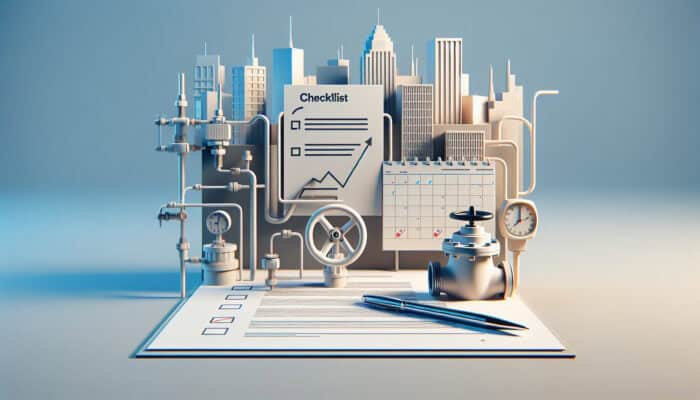
How Can You Find Certified Experts for Reliable Backflow Testing?
Choosing certified professionals for backflow testing is essential to ensure accurate results and compliance with local regulations. An experienced technician not only conducts thorough testing but also provides insights regarding the condition of your backflow prevention devices. When searching for qualified professionals, consider these essential qualifications:
- Certification from a recognized plumbing or backflow prevention authority.
- Demonstrated experience with a variety of backflow prevention devices and systems.
- Positive customer reviews and testimonials that reflect reliability and quality of service.
- Appropriate insurance coverage to protect against any potential mishaps during testing.
- In-depth understanding of local regulations and compliance standards.
- Ability to provide comprehensive reports and recommendations for necessary repairs.
- Availability to accommodate emergency testing needs.
- Transparent pricing structures without hidden fees.
Selecting the right professionals can significantly impact the effectiveness and compliance of your backflow prevention system. Investing time in this initial search can help property owners avoid major problems in the future, ensuring peace of mind and adherence to safety standards.
How Frequently Should Backflow Testing Be Conducted for Optimal Safety?
The frequency of backflow testing can vary significantly depending on the type of system and the local regulations that govern it. In Port Coquitlam, municipal guidelines typically recommend testing backflow prevention devices at least once per year. However, specific systems, particularly those situated in high-risk environments, may require more frequent inspections due to their unique operational demands.
For instance, systems like irrigation or fire protection systems might necessitate testing every six months or even quarterly, depending on their complexity and usage patterns. Property owners should consult certified professionals to understand the specific requirements for their systems and ensure testing schedules align with regulatory mandates. Regular testing not only ensures compliance with regulations but also helps identify potential issues before they escalate, thereby safeguarding the water source from contamination and protecting public health.
What Is the Process Involved in a Comprehensive Backflow Test?

During a backflow test, certified professionals conduct a thorough inspection of your system, searching for signs of malfunction while assessing the effectiveness of the backflow prevention devices. Initially, they will examine the entire plumbing system to identify any potential weaknesses or existing issues that could lead to backflow incidents. The testing process typically involves temporarily shutting off the water supply and connecting specialized equipment to accurately measure the pressure within the system. After completing the test, the technician provides a detailed report outlining the current condition of your backflow prevention devices. This report may include recommendations for repairs or maintenance needed to ensure the system operates efficiently and safely. Property owners should retain these reports, as they serve as documentation of compliance with local water safety regulations and can prove invaluable during future inspections or audits.
How to Effectively Schedule and Document Your Backflow Testing
To schedule backflow testing, property owners should contact certified professionals well in advance, particularly during peak times when plumbing service demand is high. Establishing a recurring schedule—whether annually or biannually—can help integrate testing into regular property maintenance and safety protocols.
Proper documentation is equally crucial as scheduling. Maintaining accurate records of all tests, including dates, results, and any repairs completed, is essential for compliance and future reference. This documentation serves as proof of diligence in maintaining water quality and can be vital during inspections by local authorities. Ensuring all paperwork is organized and readily accessible not only provides peace of mind but also facilitates smoother regulatory interactions, reinforcing the necessity of backflow testing compliance.
Expert Insights on the Necessity of Backflow Testing Services in Port Coquitlam
Real-Life Examples Highlighting the Critical Need for Backflow Testing
Real-world scenarios vividly demonstrate the vital importance of backflow testing. For instance, a local restaurant in Port Coquitlam faced serious repercussions after a neglected backflow prevention device resulted in food and water contamination, affecting numerous patrons. This incident led to significant health repercussions, legal challenges, and substantial financial losses during the closure for investigations and cleanup efforts.
Another notable case involved a residential complex that encountered extensive plumbing problems when backflow contaminated the water supply with hazardous chemicals from nearby industrial operations. The aftermath necessitated costly repairs and resulted in a long-term decline in property values. These incidents emphasize the necessity of routine backflow testing, illustrating how proactive measures can prevent distressing situations and protect public health.
- Incident at a Port Coquitlam restaurant causing contamination and closure.
- Residential complex affected by backflow from adjacent industrial sites.
- School district facing legal challenges due to a contaminated water supply.
- Community outbreak of gastrointestinal illness linked to backflow issues.
Understanding these incidents and their implications serves as a powerful reminder to prioritize backflow testing and maintenance. Regular testing can help avert these risks, protecting both public health and community property values.
What Are the Indicators of Backflow Issues?
Indicators of backflow problems can often be subtle yet alarming. Unusual changes in water color, taste, or odor are significant signs that something may be wrong with the water supply. For instance, a sudden shift in tap water to a brownish hue could indicate that rust or other contaminants have entered the water supply due to backflow. Similarly, if residents detect a chemical taste or smell, it may signal potential contamination that requires immediate attention.
Early recognition is crucial for maintaining safe water quality. Property owners should remain vigilant and report any noticeable changes to certified professionals promptly. Other signs include unexpected pressure fluctuations in water flow, which may suggest backflow. By identifying these signs early, property owners can take swift action to avoid more serious health risks and costly repairs, thereby ensuring the ongoing safety of the water supply.
Practical Measures for Preventing Backflow Contamination
Preventing backflow is essential for maintaining a safe water supply. Here are practical steps that property owners can implement to ensure their systems remain effective and compliant:
- Schedule regular backflow testing with certified professionals to guarantee compliance and system health.
- Install appropriate backflow prevention devices in accordance with local regulations and guidelines.
- Conduct routine visual inspections of the plumbing system for signs of wear or malfunction.
- Educate yourself and others in your household or workplace about the risks of backflow and the signs to monitor.
- Maintain accurate records of all testing and maintenance activities to demonstrate diligence.
- Establish a routine maintenance schedule for all plumbing systems to prevent potential issues.
- Stay informed about local regulations and standards regarding water safety and compliance.
- Utilize technology, such as monitoring systems, to track the performance of backflow devices.
By proactively implementing these preventive measures, property owners can significantly reduce the risk of backflow contamination, ensuring their water supply remains safe and compliant with regulations. Taking these steps contributes to the overall health and safety of the community.
How to Choose a Dependable Backflow Testing Service in Port Coquitlam
Selecting a reliable backflow testing service necessitates careful consideration of several factors. First, verify that the service provider holds the necessary certifications and licenses, confirming their qualifications to conduct the tests. Experience is vital; you want a company with a proven track record in backflow testing and familiarity with various types of systems.
Customer reviews and testimonials are invaluable when making your selection. Positive feedback from previous clients indicates reliability and quality of service. Additionally, ensure that the provider adheres to local regulations, which can differ by municipality. Compliance is critical not only for adherence but also to guarantee that the testing methods employed meet current safety standards. Lastly, inquire about the range of services offered; a comprehensive service provider will assist with repairs and maintenance in addition to testing, offering peace of mind that all your backflow concerns are effectively addressed.
Significant Advantages of Professional Backflow Testing Services
How Professional Testing Improves Overall Water Safety
Professional backflow testing is essential for ensuring that water remains safe for consumption. Water contaminated through backflow can lead to serious health issues, including bacterial infections, gastrointestinal disorders, and other conditions that can profoundly impact public health. By investing in professional testing, you ensure that your drinking water remains uncontaminated and safe for your family, employees, or customers.
Furthermore, certified professionals are trained to identify potential issues that untrained individuals might overlook. They can provide valuable insights into the overall condition of your plumbing systems and recommend necessary improvements. This proactive approach not only guarantees safety but also fosters a culture of responsible water management in communities like Port Coquitlam, where public health is a shared responsibility.
Safeguarding Your Property Value Through Consistent Backflow Testing
Routine backflow testing is an essential investment in preserving the value of your property. Well-maintained plumbing systems are more likely to retain their value compared to those with potential hazards. Today's buyers are increasingly aware of water safety and the implications of neglecting backflow prevention. Therefore, showcasing a history of compliance and regular maintenance can significantly enhance property appeal in the market.
Moreover, properties that demonstrate a commitment to safety and compliance typically encounter fewer regulatory issues, creating a smoother experience for owners during property transactions. By prioritizing backflow testing, property owners not only protect their investment but also contribute to the long-term sustainability of their community’s water supply, emphasizing the importance of collective responsibility in water safety.
What Are the Typical Costs Associated with Backflow Testing Services?
The costs related to backflow testing can fluctuate based on several factors, including the complexity of the system and the property’s location. Generally, homeowners can expect to pay between $100 and $300 for routine backflow testing. Conversely, larger systems commonly found in commercial settings may incur higher fees due to their complexity and additional testing requirements.
Understanding these costs is essential for budgeting regular maintenance. It is crucial to regard backflow testing as a necessary expense rather than an optional service; neglecting this critical testing can lead to significantly higher costs in the long run, including fines and health-related expenses. Property owners should also consult multiple service providers to compare pricing and services, ensuring they receive quality testing at a fair price while protecting their water supply.
Ensuring Compliance with Local Regulations for Water Safety
Utilizing professional backflow testing services is crucial for ensuring compliance with local water safety regulations. In Port Coquitlam, adherence to these regulations is not merely a recommendation; it is mandatory for both residential and commercial properties. Non-compliance can lead to fines, legal action, and increased scrutiny from local authorities, all of which can create significant stress for property owners.
Professional testing services possess extensive knowledge of the regulatory landscape, allowing them to effectively guide property owners. They help ensure that all backflow prevention devices are installed correctly and functioning in line with local codes. By maintaining compliance, property owners not only avoid penalties but also positively contribute to public health and safety, fostering a community committed to upholding safe water systems.
Innovative Trends in Backflow Testing Services in Port Coquitlam
Expert Evaluation of Backflow Testing Techniques and Methods
Understanding the various testing methods available for backflow prevention devices is crucial when selecting a service. The effectiveness of each method varies based on the specific type of backflow device used and the complexities of the plumbing system involved. Common methods include the differential pressure method, which measures the pressure difference across the device to evaluate its efficiency, and the visual inspection method, which involves a thorough walkthrough of the system to identify visible issues.
Experts can provide invaluable insights on which testing method best suits your system’s needs. They will take into account factors such as the device’s age, its previous performance, and local conditions that may influence testing outcomes. Selecting the appropriate testing method can enhance accuracy, ensuring your backflow devices operate effectively and protect your water supply against potential contamination.
How Technology Is Transforming Backflow Testing Services
Technology is revolutionizing backflow testing, greatly enhancing both accuracy and efficiency. Advanced automated testing equipment can streamline the testing process, providing precise measurements and reducing the likelihood of human error. Moreover, data analytics tools can monitor the performance of backflow prevention systems over time, enabling predictive maintenance and timely interventions to mitigate risks.
Additionally, mobile applications have emerged, allowing service providers to manage scheduling, track compliance, and generate reports seamlessly. Property owners can benefit from technology by gaining access to real-time data about their systems, empowering them to make informed decisions regarding maintenance and repairs. Embracing these technological advancements can improve water safety and reduce long-term costs, making it a worthwhile investment.
Maintaining Detailed Records for Compliance and Safety Assurance
Keeping comprehensive records of backflow testing is essential for compliance with local regulations and for ensuring the long-term health of your plumbing system. These records should encompass test dates, results, repairs conducted, and the names of the professionals who performed the tests. This documentation serves multiple purposes: it provides proof of compliance during inspections and helps track maintenance and repair history over time, demonstrating a commitment to safety.
Furthermore, well-organized records can assist in identifying patterns and recurring issues in plumbing systems, leading to better-informed maintenance decisions. Property owners should establish a system to keep these records easily accessible and up to date, as they play a critical role in demonstrating diligence and care in maintaining water safety and quality.
Clearing Up Common Misconceptions Regarding Backflow Testing
Is Backflow Testing Truly Essential for Ensuring Water Safety?
Backflow testing is indeed essential; it is a fundamental aspect of public health safety. Some individuals mistakenly believe that backflow testing represents an unnecessary expense, but in reality, regular testing helps avert severe health risks associated with contaminated water supplies. By identifying potential issues early on, property owners can mitigate risks and protect their communities from harmful contaminants that could have lasting effects on public health.
The necessity of backflow testing is further reinforced by regulatory requirements mandating periodic testing to ensure compliance with health and safety standards. Violating these regulations can lead to severe penalties and jeopardize public health and safety. Therefore, prioritizing backflow testing is not just good practice; it is vital for maintaining clean, safe drinking water for everyone in the community.
Can I Safely Conduct Backflow Testing on My Own?
DIY backflow testing is not advisable due to the complexity and potential for error involved in the process. Backflow prevention devices require specific testing protocols that trained professionals follow to ensure accurate results. An untrained individual may overlook critical signs of malfunction or misinterpret readings, inadvertently contaminating the water supply.
Certified professionals possess the expertise and specialized equipment required to conduct thorough testing and deliver reliable results. Engaging experts not only ensures compliance with local regulations but also provides peace of mind that your water supply remains safe. Property owners should rely on certified professionals for testing to avoid the risks associated with DIY attempts and protect their health and that of their community.
Are All Backflow Devices Identical in Functionality?
Not all backflow devices are identical; they differ significantly in type and function. Common types of backflow prevention devices include air gaps, reduced-pressure zone devices, and double-check valves, each designed for specific applications and environments. Understanding the distinctions between these devices is crucial when selecting the right one for your system.
Each type of device has unique characteristics that determine its effectiveness against backflow contamination. For example, reduced-pressure zone devices are commonly used in high-risk environments where the risk of contamination is elevated, while double-check valves may suffice for lower-risk applications. Evaluating the specific needs of your plumbing system can help you select the most suitable backflow prevention device, ensuring effective protection against contamination and safeguarding public health.
Frequently Asked Questions About Backflow Testing and Its Importance
What Is Backflow Testing and Its Purpose?
Backflow testing is the process of inspecting and testing backflow prevention devices to ensure they function correctly and effectively prevent contaminated water from entering the clean water supply.
How Often Should Backflow Testing Be Performed?
Backflow testing should typically be conducted at least once a year, but certain high-risk systems may require more frequent testing based on local regulations and guidelines.
What Are the Common Indicators of Backflow Issues?
Signs of backflow issues include unusual changes in water color, taste, or odor, unexpected pressure fluctuations in water flow, and the presence of contaminants in the water supply.
Is It Acceptable to Ignore Backflow Testing Requirements?
Ignoring backflow testing is not advisable, as it poses significant health risks and can result in legal penalties for non-compliance with local regulations and standards.
How Do I Choose an Appropriate Backflow Testing Service?
Select a backflow testing service by verifying their certifications, checking customer reviews, assessing their experience, and ensuring they adhere to local regulations and compliance requirements.
Are Backflow Devices Expensive to Install?
The cost of installing backflow devices can vary depending on the type and complexity of the system; however, it is a crucial investment to ensure water safety and regulatory compliance.
What Happens During a Backflow Test?
During a backflow test, a certified professional inspects the backflow prevention device, conducts pressure tests, and provides a report detailing its condition and any necessary repairs or maintenance.
Can I Conduct Backflow Testing on My Own?
It is not recommended to perform backflow testing yourself due to the complexity involved; certified professionals should conduct these tests to ensure accuracy and compliance with regulations.
What Should I Do If I Suspect Backflow Contamination?
If you suspect backflow contamination, immediately report it to a certified professional and avoid using the water supply until it has been tested and confirmed safe for consumption.
Is Backflow Testing Legally Required?
Yes, backflow testing is legally mandated in many regions, including Port Coquitlam, to protect public health and ensure the safety of the water supply for all community members.
Connect with us on Facebook for More Information!
Presented By: Backflow Testing in Port Coquitlam
The Article: Backflow Testing Services in Port Coquitlam: Ensuring Safety First Published On: https://pacificbluemechanical.ca/
The Article Backflow Testing Services: Safety Assurance in Port Coquitlam Was Found On https://limitsofstrategy.com